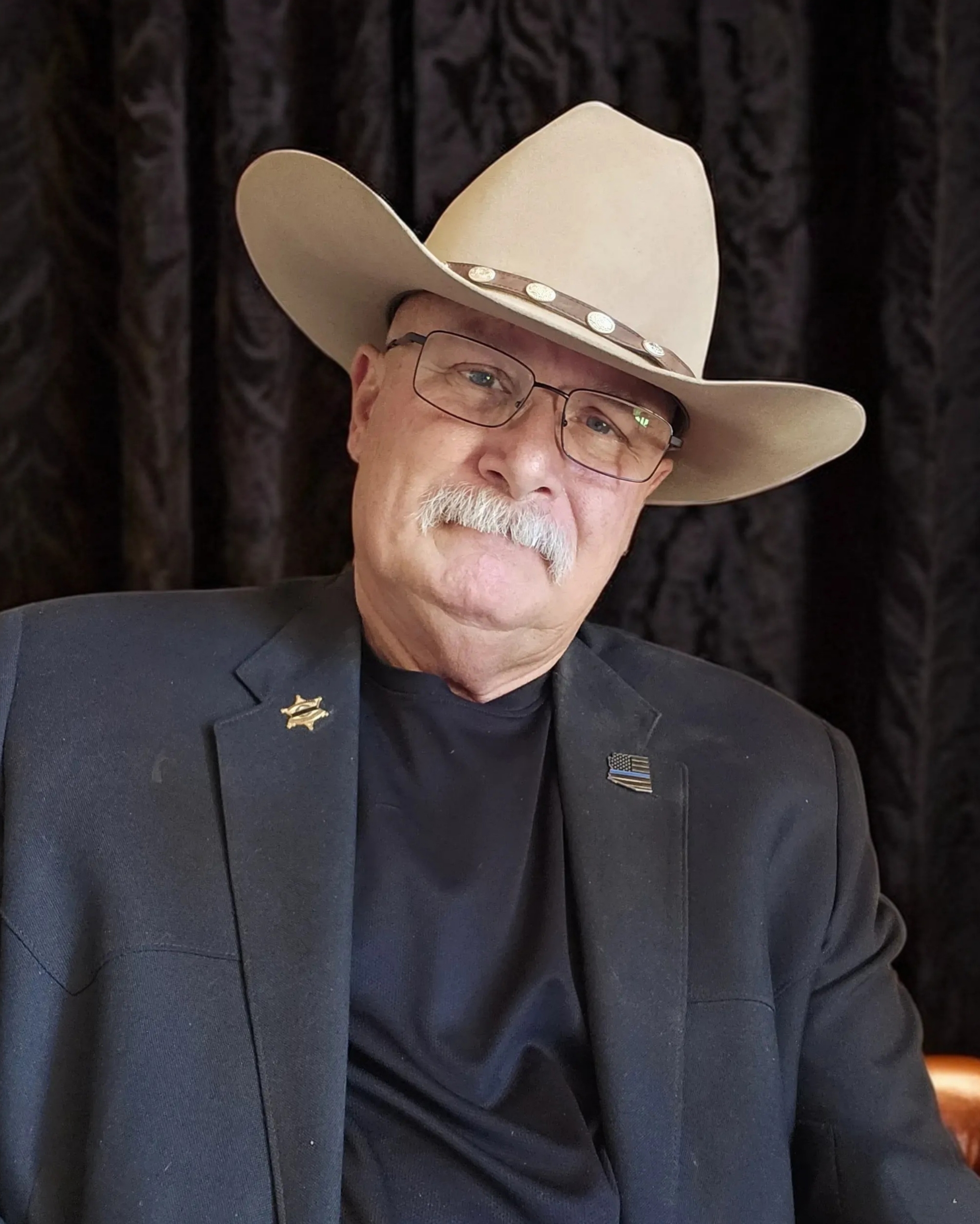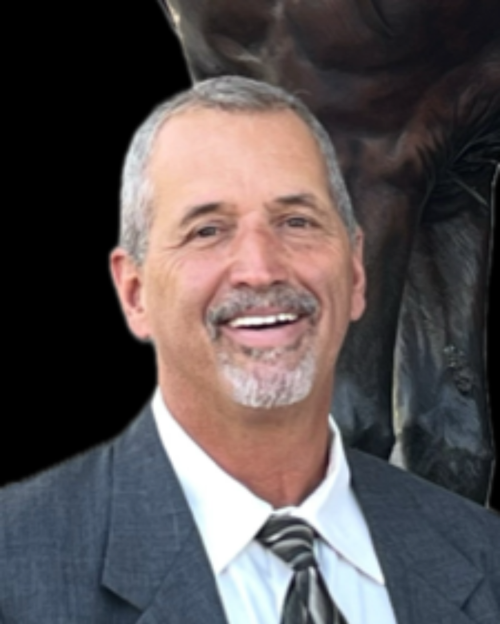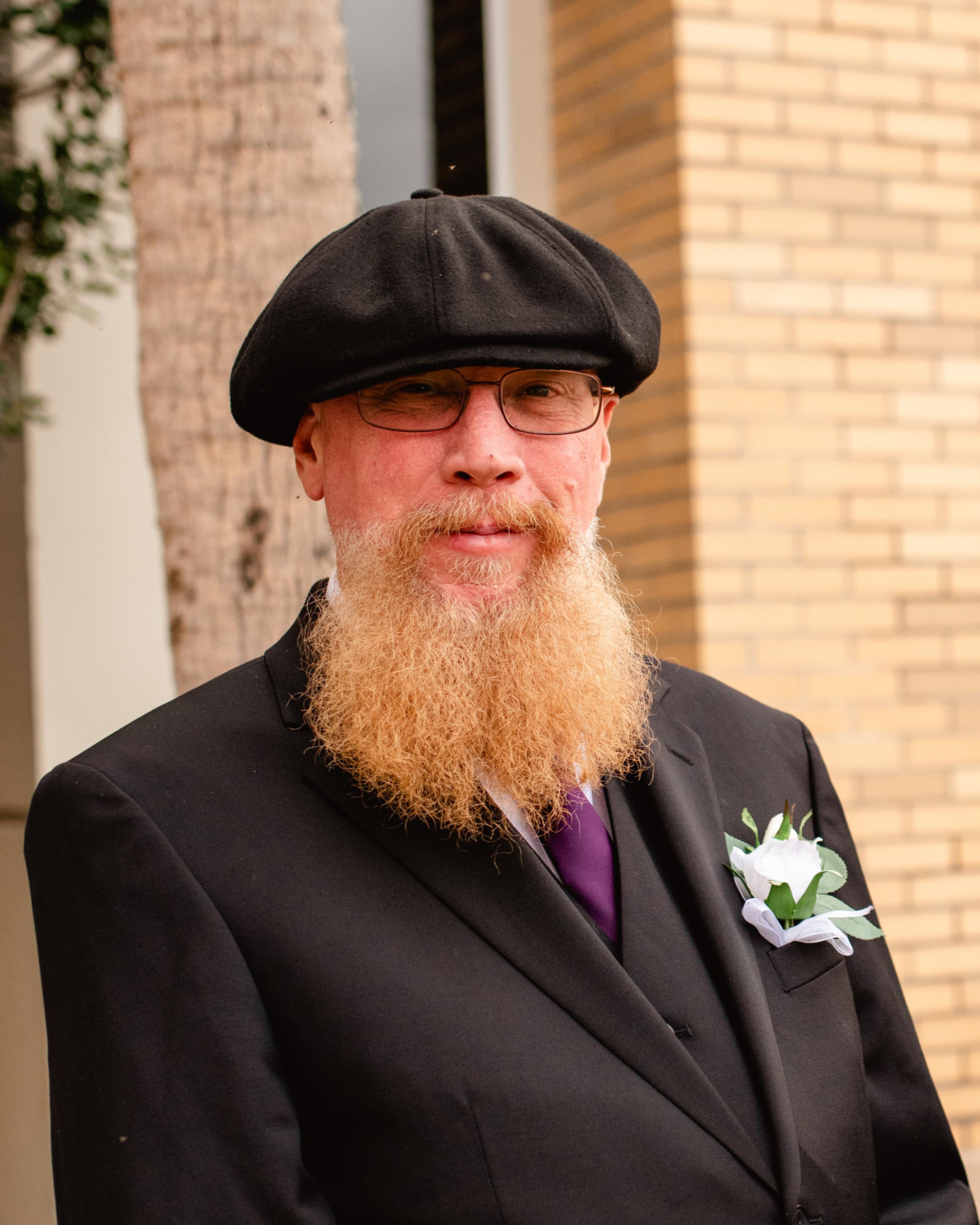
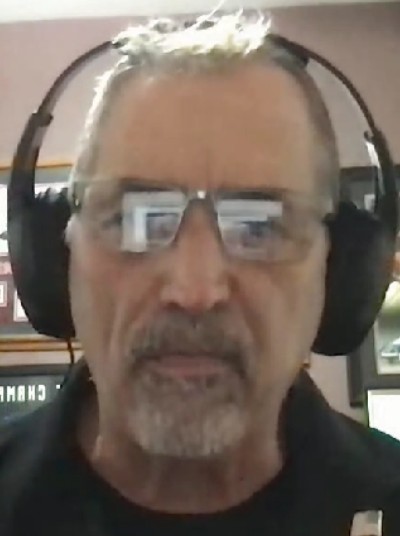
 Rich Bricklin joins the show with over 25 years of public safety experience, including 18 years in patrol with the Maricopa County Sheriff's Office. A former Deputy of the Year and multi-time Life Saving award recipient, Bricklin served in the Criminal Intelligence Division's Counter Terrorism Unit and was a long-time member of the Hostage/Crisis Negotiations Unit. His diverse background includes working as a district detective, community relations officer, and a training instructor for verbal de-escalation and hostage procedures. Additionally, he holds advanced certifications in threat assessment and crime prevention. Prior to his law enforcement career, Bricklin spent eight years as a truck engineer and wildland firefighter for the Rural Metro Fire Department. He retired in late 2024 after a highly decorated 34-year sworn career protecting life and property.
THE THIN BLUE LINE ENDURES: American Police Officers: A Calling, Not Just a Job
American police officers know precisely how to do their jobs—often under conditions that would break most men and women[cite: 1]. Yet the question lingers: why should they continue, when every split-second decision is dissected by those who have never faced real danger[cite: 1]? When public and political pressure demands they be second-guessed, investigated, and prosecuted for doing what their training and instincts demand[cite: 1]? When weak leadership kneels before radicals, extremists, and the very criminals they are sworn to confront[cite: 1]? When judges operate revolving-door courtrooms that return predators to the streets, and when segments of the media rush to vilify officers before the facts are even known[cite: 1]?
Recent events painfully illustrate this harsh reality[cite: 1]:
- NYPD Sergeant Erik Duran was convicted of manslaughter and sentenced to prison for throwing a cooler at a fleeing drug suspect during a 2023 narcotics operation in the Bronx—an action taken to protect fellow officers[cite: 1].
- In the 2019 Houston Harding Street raid, multiple officers faced felony charges and intense scrutiny after a no-knock warrant execution resulted in a deadly shootout, amid allegations of procedural issues that many in law enforcement viewed as politically motivated second-guessing[cite: 1].
- On July 7, 2016, five Dallas police officers—Lorne Ahrens, Michael Krol, Michael Smith, Patrick Zamarripa, and Brent Thompson—were ambushed and murdered by a gunman while protecting a Black Lives Matter march, a stark reminder of the lethal hatred officers confront simply for upholding order[cite: 1].
Still, officers rise each day[cite: 1]. They pin on their badges, strap on their duty weapons, kiss their families goodbye, and step into the unknown, living their oath to serve and protect with quiet, unyielding resolve[cite: 1]. For these men and women, policing is not merely a job[cite: 1]. It is a calling that runs to the marrow of their bones[cite: 1]. They have learned to tune out the relentless noise from politicians, newsrooms, and spineless executives, focusing instead on the mission that called them to this life[cite: 1].
We owe them everything[cite: 1]. Policing is a dangerous, often thankless profession[cite: 1]. If you doubt it, imagine trying to handcuff a violently resistant suspect while a hostile crowd films your every move, hoping for a mistake they can twist into national outrage[cite: 1]. This is the daily reality officers face[cite: 1].
There was a time—not long ago—when the public would rush to an officer's aid in a fight, not stand by recording for likes and clicks[cite: 1]. There was a time when swiftly ending a threat earned applause instead of suspicion, when police chiefs stood firmly behind their officers, when political leaders proudly campaigned on law and order, and when judges sent dangerous offenders away for meaningful sentences[cite: 1].
Those days can return[cite: 1]. But only if we first remember a fundamental truth: police officers are not faceless uniforms or convenient political targets[cite: 1]. They are flesh-and-blood human beings—our neighbors, our friends, the parents of children who sit beside ours in school[cite: 1]. Among their many qualities, they stand as the last line of defense for the safety of our communities[cite: 1]. They shop where we shop, coach our youth teams, and carry the weight of our neighborhoods on their shoulders[cite: 1]. The character and courage of law enforcement have never wavered[cite: 1]. What changed is that, for too long, they were taken for granted and deliberately forgotten[cite: 1].
It is time to remember[cite: 1]. Time to stand with the men and women who willingly walk toward danger so the rest of us do not have to[cite: 1]. They deserve more than our applause—they deserve our unwavering support, our respect, and a society that once again values the thin blue line that stands between order and chaos[cite: 1].
To every officer reading this: your service matters[cite: 1]. Your sacrifice is seen[cite: 1]. And your calling still inspires[cite: 1]. Hold the line[cite: 1].
About the Author
Daniel Byram is a retired police lieutenant, former academy director, criminal justice educator, author, consultant, and ed-tech founder[cite: 1]. His law enforcement career began in 1973 and included work as[cite: 1]:
- A road deputy[cite: 1]
- A detective[cite: 1]
- A patrol commander[cite: 1]
- An intelligence and special investigations lieutenant[cite: 1]
- A defensive tactics instructor[cite: 1]
- A pursuit-driving instructor[cite: 1]
- A police academy director[cite: 1]
After retiring from law enforcement, he founded and launched a California-based educational technology company he bootstrapped and ran for twenty years[cite: 1]. Through that company, he developed criminal justice, law enforcement, homeland security, security, and paralegal education products for major publishers, colleges, universities, trade schools, and professional training organizations[cite: 1]. His company designed, developed, packaged, and distributed textbooks, instructor materials, online courses, curriculum systems, lab supplies, and supporting lab manuals that helped schools add practical, hands-on learning opportunities to their programs[cite: 1].
Byram's experience reaches across the street, the academy, the classroom, the courtroom, the publishing industry, and the entrepreneurial world[cite: 1]. He writes and speaks on criminal justice, crime, police work, investigations, police culture, officer training, use of force, homeland security, leadership, and human behavior under pressure[cite: 1].
He is available for interviews, podcasts, speaking engagements, consulting projects, expert commentary, training development, and selected writing assignments[cite: 1]. He can be reached via danielbyram.com[cite: 1].